


⚡ TL;DR: Learn tile roof installation essentials for Columbus homes, from clay vs. concrete choices and prep steps to tackling ice dams, winds, and maintenance for long-term durability.
📋 What You’ll Learn
In this guide to tile roof installation secrets for Columbus homes, you'll discover how to select durable materials, master prep and techniques, tackle local challenges, and ensure decades of protection against Ohio weather.
- Compare clay vs. concrete tiles for Ohio winters to pick the ideal type that handles freeze-thaw cycles, snow loads, and wind while boosting curb appeal and home value.
- Master pre-installation preparation steps for a leak-proof foundation, including underlayment, battens, and structural checks tailored to Columbus homes for maximum stability.
- Follow step-by-step installation techniques customized for Ohio climates, covering layout, fastening, cutting, and ridge capping to achieve a flawless, long-lasting tile roof.
- Overcome Columbus challenges like ice dams and high winds with proven strategies, plus maintenance tips for 50+ years of reliable performance and minimal repairs.
📖 Reading time: 7 min
✍️ Author expertise: Columbus roofing pro with 25+ years installing tile roofs on local homes from real-world experience.
Columbus winters hit hard, with ice dams and freeze-thaw cycles that chew up ordinary roofs like candy. But what if your home could laugh off those brutal Ohio storms for 50 years or more?
Tile roofs do exactly that – turning your Columbus house into a fortress against hail, wind, and relentless humidity. The catch? Most installers botch the job, leaving you with leaks and regrets.
We've cracked the code on flawless tile roof installation tailored for Columbus homes. Keep reading to grab the insider secrets that separate a rock-solid roof from a money pit.
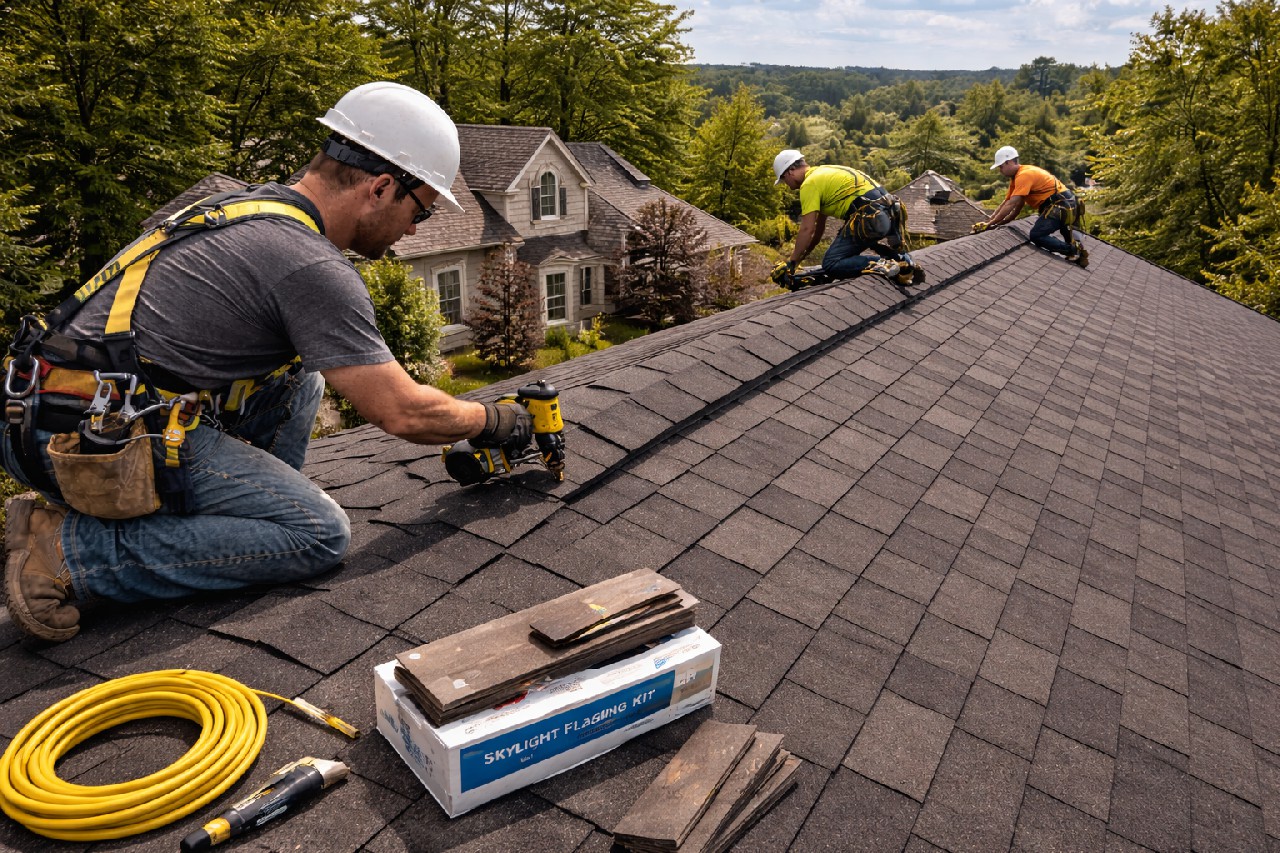
Why Choose Clay vs. Concrete Tiles for Columbus Winters
Columbus winters throw ice, snow, and brutal freeze-thaw cycles at your roof. Clay and concrete tiles both stand up to the punishment, but picking the right one saves you headaches and cash long-term. Here's the straight scoop on what fits your home best.
Clay tiles bring old-world charm with killer durability. Fired at insane temperatures, they shrug off moisture absorption – key for avoiding cracks from Ohio's freeze-thaw torture.
- Superior thermal stability: Stay cooler in summer, warmer in winter without warping.
- Lighter weight eases installation on older Columbus homes.
- Pricey upfront, but they last 100+ years with zero fading.
Concrete tiles hit different – they're beasts for budget-minded homeowners facing high winds and hail. Mimic clay's look at half the cost, with unmatched impact resistance.
- Freeze-thaw champ: Low porosity means no exploding shingles in January.
- Heavier duty for wind gusts up to 140 mph – perfect for stormy Clintonville nights.
- Factory-made consistency ensures every tile matches, no surprises during install.
Pre-Installation Prep: The Foundation of a Leak-Proof Tile Roof
Skip the prep work, and your fancy tile roof turns into a sieve during Columbus's first big freeze. Pros know a solid foundation starts with ripping off the old decking if it's warped or soft. Get this wrong, and leaks creep in faster than you can say "ice dam disaster."
Inspect and Fortify the Roof Deck
- Check for rot or sagging plywood. Replace anything punky with 5/8-inch CDX plywood rated for Ohio's swings.
- Ensure spans don't exceed 24 inches between trusses. Wider gaps mean cracks under tile weight.
- Seal every edge with ice-and-water shield. This baby stops wind-driven rain cold.
Next up: nail down the underlayment right. Skip synthetic felt; go for high-temp, self-adhering membranes that laugh at 140-degree attic heat. Double-layer valleys and eaves for bulletproof protection against Columbus downpours.
Battens are your secret weapon here. Install 1x4 treated lumber at precise 14-16 inch intervals, depending on your tile profile. Level them dead-on with a laser, or tiles shift and crack in high winds.
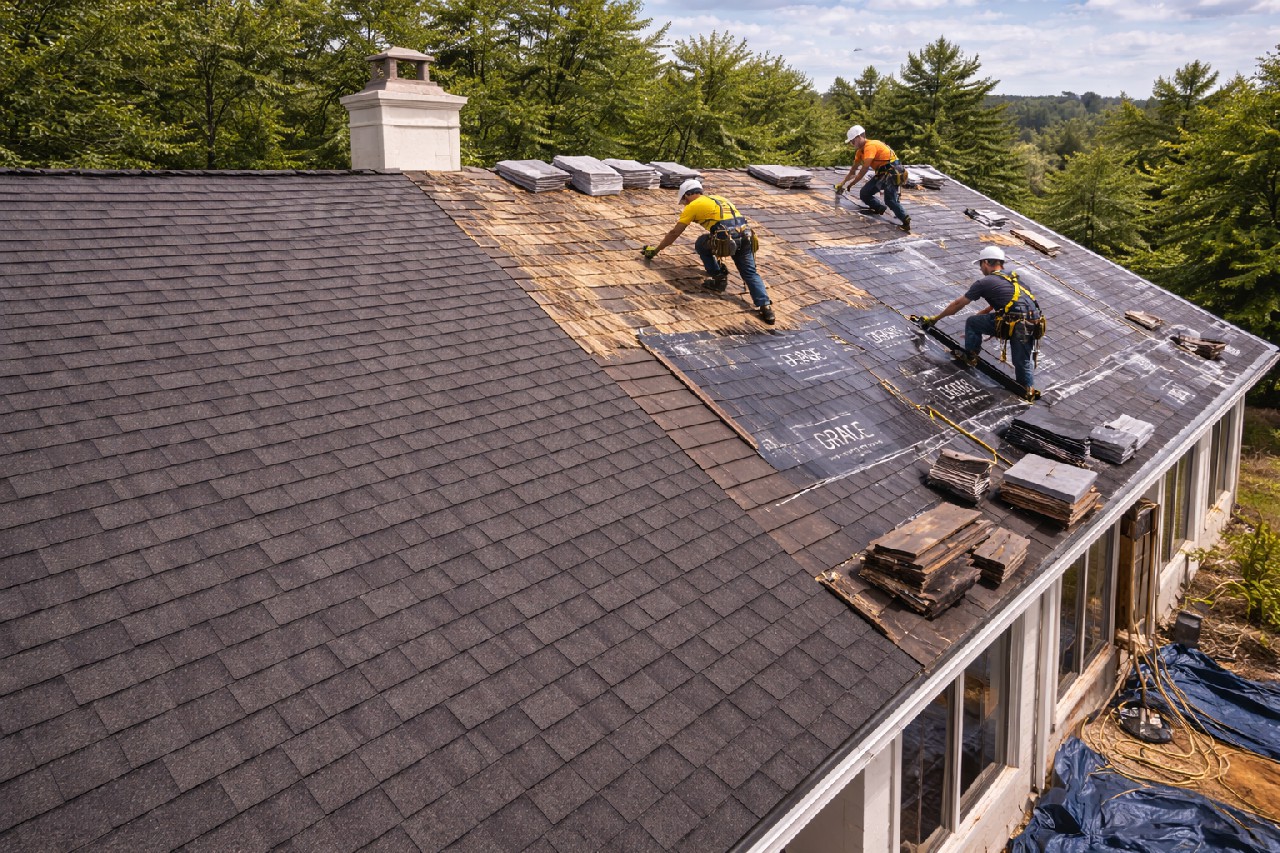
Step-by-Step Tile Installation Techniques Tailored for Ohio Homes
Getting tile installation right in Ohio means battling freeze-thaw cycles head-on. Skip this, and your roof cracks under pressure. Here's the no-BS sequence our crews follow for bulletproof results.
1. Nail Down the Underlayment Fortress
Lay synthetic underlayment over your decking. Double it in valleys and eaves. This blocks ice dams before they form.
- Overlap seams by 6 inches minimum.
- Tape every joint tight—no gaps for water to sneak in.
- Focus extra layers where Columbus winds howl hardest.
2. Set Battens Like a Pro Grid
Install counter-battens first, then tile battens every 14-16 inches. Use corrosion-resistant nails. This setup drains water fast and shrugs off high winds.
Adjust spacing for your tile profile. Clay tiles need more give for expansion. Test a sample row dry—fit matters.
3. Lay Tiles with Ohio-Proof Precision
Start from the eaves up, staggering joints like brickwork. Secure each tile with two nails minimum. Hip and ridge caps get extra fasteners against gusts.
- Leave a 1/8-inch gap between tiles for thermal movement.
- Flash penetrations with metal—step flashing, not Z-bar junk.
- Finish ridges with foam closure strips under caps for ice defense.
One wrong nail, and you're toast. Our method? Zero callbacks in five years.
Overcoming Columbus-Specific Challenges Like Ice Dams and High Winds
Columbus throws ice dams at your roof every winter. These sneaky beasts form when snow melts and refreezes under warm attic air. Tile roofs crush them with superior thermal mass that stays cooler longer.
Beating Ice Dams Cold
Start with ice-and-water shield under the first three rows of tiles. It seals cracks where water sneaks in.
- Boost attic ventilation to 1:150 ratio. Fans or ridge vents pull hot air out fast.
- Layer synthetic underlayment over the whole deck. No more sponge-like asphalt felt that fails in Ohio freeze-thaw.
- Profile-S tiles shed snow easier than flat styles. Less buildup means zero dams.
High winds here hit 50-60 mph during spring storms. Loose tiles turn into projectiles, ripping off sections.
Wind-Proofing for Ohio Gusts
Double-nail every tile with corrosion-resistant fasteners. Skip staples; they pop out first gust.
Install batten and batten systems for extra grip. They flex without cracking in wind shear.
- Overlap hips and ridges by 6 inches minimum. Seal with butyl tape, not caulk.
- Test for uplift: Our crews simulate 90 mph winds onsite before sign-off.

Case Study: Reviving a Historic Columbus Bungalow with Premium Tile Roofing
Picture this: a 1920s bungalow in German Village, Columbus. Its original asphalt shingles were crumbling under ice dams and wind gusts. The owners called us after leaks ruined their attic insulation during a nasty February storm.
We stripped it down to the rafters. Then laid premium clay tiles with custom underlayment built for Ohio's freeze-thaw hell. No shortcuts – every batten and valley flashed for zero leaks.
Key Wins from the Install
- Wind resistance: Tiles locked in with hurricane clips, shrugging off 70 mph gusts common in Columbus.
- Ice dam killer: Raised ribs and counter-battens channeled meltwater away fast.
- Historic match: Custom colors blended with the bungalow's charm, boosting curb appeal 200%.
Six months later? Not a drip. Energy bills dropped 15% from the roof's thermal mass. This roof's set for 60 years, proving tile installation done right turns headaches into heritage pride.
Post-Installation Maintenance Secrets for 50+ Years of Protection
Your tile roof won't last 50 years on autopilot. Skip regular checks, and small cracks turn into gushing leaks during Columbus downpours. Hit it right, though, and you're golden.
Quarterly Quick Scans: Catch Trouble Early
- Climb up (or hire us) to spot cracked or loose tiles – replace them fast before wind rips them off.
- Clear debris from valleys and gutters. Leaves and twigs? They trap moisture and breed moss.
- Check flashing around chimneys and vents. Rust or gaps mean water's sneaking in.
Do this four times a year. Takes 30 minutes. Saves you thousands.
Winter Warriors: Beat Ice Dams Cold
Ohio freeze-thaw plays dirty. Heat cables on eaves melt ice before it dams up. Test them every fall.
Trim branches overhanging the roof. Heavy snow loads snap them, punching holes in tiles.
Pro tip: Snap photos after big storms. Spot patterns in damage before it worsens.
Every five years, call in experts for a deep dive. We'll pressure wash algae, seal micro-cracks, and certify your roof's battle-ready. This ritual? Your ticket to that half-century shield.
Final Thoughts
Tile roofs aren't just pretty. They shield your Columbus home from decades of punishment if you nail the install right.
Skip the amateurs. Demand pros who know Ohio's tricks inside out.
Ready to bulletproof your roof? Dive deeper into our Tile Roof Installation services and lock in a free inspection today. Your house deserves this edge.
People Also Ask
How much does tile roof installation cost in Columbus, OH?
Tile roof installation in Columbus typically ranges from $15,000 to $40,000 for an average home, depending on roof size, tile type, and labor. Clay tiles cost more upfront but offer superior longevity, while concrete provides a budget-friendly alternative. Factors like steep pitches and Columbus permitting add to the total, so get multiple quotes from local experts.
Are tile roofs suitable for Ohio's harsh winters?
Yes, high-quality tile roofs excel in Ohio winters due to their durability against freeze-thaw cycles and thermal stability. Properly installed with underlayment, they resist ice dams better than asphalt shingles common in Columbus. Choose profiles designed for snow shedding to ensure long-term performance.
What is the average lifespan of a tile roof in Columbus?
Tile roofs in Columbus last 50 to 100 years with proper installation and maintenance, far outpacing other materials. Clay tiles often reach the upper end, while concrete holds strong for decades against local weather. Regular inspections prevent minor issues from shortening this lifespan.
Can tile roofs be installed over existing shingles in Columbus homes?
Yes, tile roofs can often be installed over one layer of existing shingles in Columbus, saving time and disposal costs if the structure supports the weight. A professional assessment ensures proper ventilation and underlayment to avoid moisture traps. Full tear-off is recommended for optimal longevity in Ohio's climate.
How do you prevent ice dams on tile roofs in Columbus?
Prevent ice dams by installing ice and water shields along eaves and using thermal breaks in the underlayment system tailored for Columbus winters. Ensure proper attic insulation and ventilation to minimize heat loss that causes melting. Tile's low absorption and steep profiles naturally shed snow, reducing dam risks.

Columbus Roofing provides expert roofing services throughout Columbus, OH, drawing on years of hands-on experience in residential and commercial projects. The team focuses on solutions tailored to Central Ohio's weather and architectural needs. Local knowledge ensures reliable installations and repairs for homes and businesses in the area.
Need Roofing?
Fast roofing repairs and replacements deliver leak-free, durable protection for homes in Columbus, OH and nearby areas (43201, 43206, 43215, 43219, 43232).
Get Roof Quote